Week 4September 20, 2025, 04:00 PM UTC
41
3-0
MW
Power Rank: -5.6
@
FINAL
38
0-2
MAC
Power Rank: -7.2

By · Last updated

UNLV defeated Miami (OH) 41–38 in a nail-biter. UNLV covered by 0.5; Game went Over by 29.5.

General Information

Week: Week 4
Kick Off (at stadium): 12:00 PM EDT
Stadium: Yager Stadium
Capacity: 30,087
Elevation: 797 ft
HFA Rating: 2.5
Playing Surface: Artificial Turf

Betting Information

Spread UNLV -2.5
Total (O/U) 49.5
Odds Implied Score UNLV 26.0 - 23.5 M-OH
Power Rank Implied Line UNLV -1.6
UNLV @ Miami (OH) Preview

Line Value Calculator

Adjust any factor to update your projected line

Your line Miami (OH) -1.6
Implied value
Current line - edit to adjust
Miami (OH) perspective
Power ratings - edit to adjust
UNLV
Miami (OH)
Home field: Yager Stadium
Weather: Overcast
Travel impact

Positive adjustment = favours home team

What were the weather conditions for UNLV vs Miami (OH)?

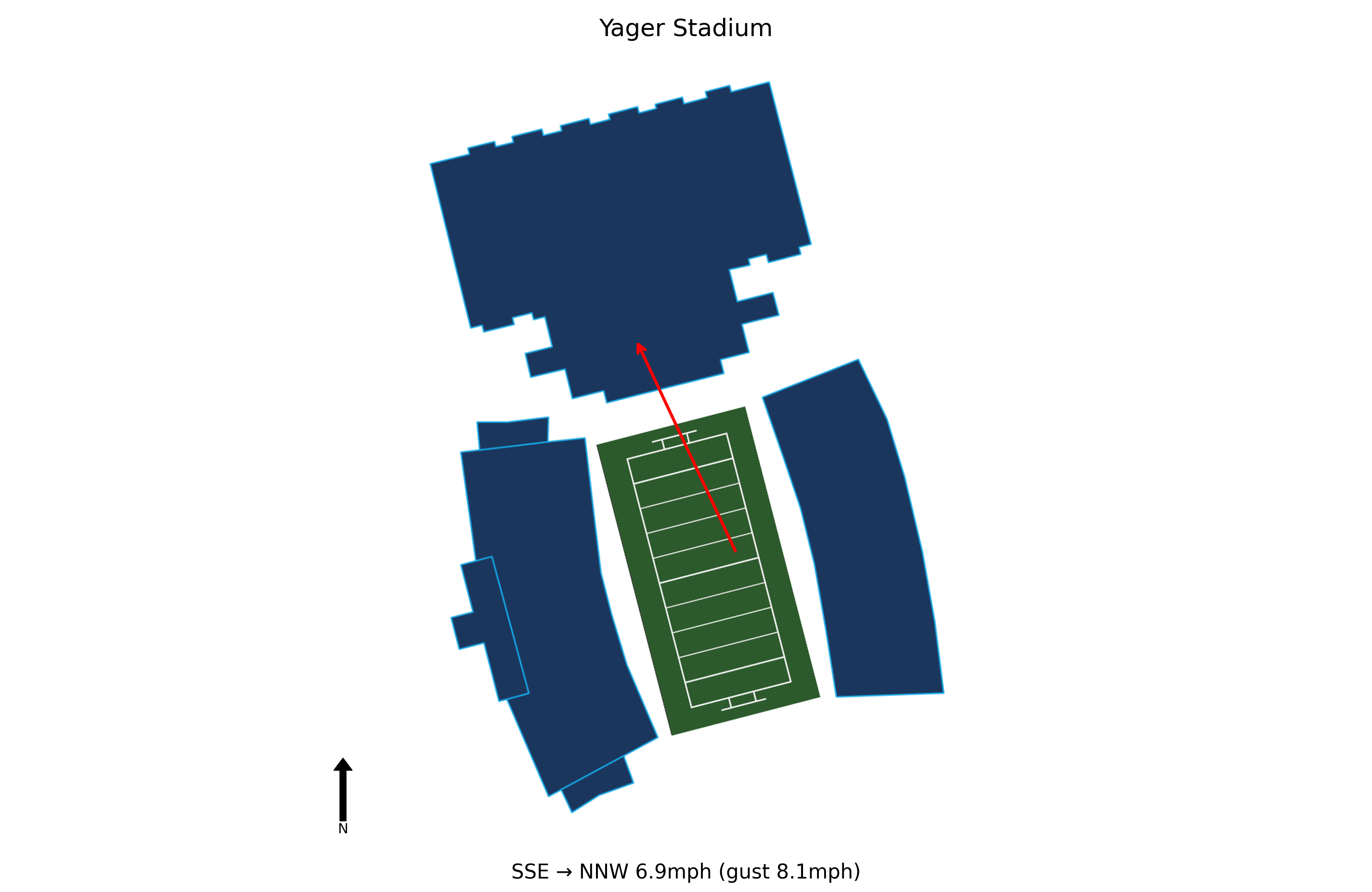
At kick-off, conditions at Yager Stadium were Overcast, 82.0°F, Heat Index 82.9°F with winds of 6.9 mph. Weather is not expected to be a meaningful factor in this game. Historical weather data for this game is preserved in the panel below.

Weather Conditions

Forecast for: September 20, 2025
Overcast

Overcast

82.0°F

Heat Index: 82.9°F
Wind: 6.9 mph SSE
Gusts: 8.1 mph
Precipitation: 0.0"
Humidity: 46%
Rain Chance: 0%
Snow Chance: 0%

Travel & Rest

UNLV (Away)

This Week: 1674.8 miles
Last Week: No Game
Season Total: 4134.4 miles
Body Clock Time: 09:00
Rest Days: 13

Miami (OH) (Home)

This Week: 0.0 miles
Last Week: No Game
Season Total: 1788.1 miles
Body Clock Time: 12:00
Rest Days: 14

What are the key factors for UNLV vs Miami (OH)?

Miami (OH): Key Factors

Second-half collapse after strong start

Miami (OH) led 24-10 at halftime but allowed UNLV to tie the game early in the third quarter, then lost momentum after a 100-yard kickoff return and a pick-six gave them a 38-24 lead, only to see UNLV rally back with a 17-play drive and a late field goal.

Quarterback injury and turnover issues

Starting QB Dequan Finn left the game after throwing a pick-six early in the second quarter, forcing backup Henry Hesson to play. The team committed two interceptions, including a critical one that led to a UNLV touchdown, and a fumble in the red zone late in the fourth quarter that cost them a chance to win.

Offensive inconsistency and limited third-quarter snaps

Miami (OH) had only three offensive snaps in the third quarter, which disrupted their rhythm. Despite a strong first half, they struggled to sustain drives in the second half, relying on special teams and defensive scores to stay ahead.

Special teams and defensive highlights

Keith Reynolds returned a kickoff 100 yards for a touchdown, and Corban Hondru had a 47-yard pick-six. However, a dropped snap on a potential game-tying 58-yard field goal attempt and a failed desperation heave sealed the loss.

Next game outlook: Need to address second-half stamina and QB depth

Miami (OH) must improve their second-half performance and develop a reliable backup QB plan if Finn is unavailable. They also need to protect the ball better and avoid costly turnovers in critical moments to compete in future games.

What happened in the game?

UNLV travels 1,675 miles to this game, a cross-country trip.

UNLV arrives with a 3-hour body clock disadvantage.

UNLV won by 3 in a nail-biter.

UNLV covered the spread narrowly.

The total went Over by 29.5 points.

How do UNLV and Miami (OH) compare on power ratings?

Blue Chip Analytics power ratings favour UNLV (-5.6) over Miami (OH) (-7.2) by 1.6 points on a neutral field. Despite playing at home, Miami (OH) faces a power rating deficit. Check whether the market spread accounts for this gap. Miami (OH) brings a meaningful home field advantage to this matchup (Blue Chip HFA: 2.5). Add this to the neutral-site differential to arrive at a venue-adjusted line.

Blue Chip Analytics power ratings represent expected point margin against an average FBS opponent on a neutral field, calculated from game data sourced via CollegeFootballData.com (CFBD). They are one input: cross-reference with the travel, rest, and weather data above before drawing conclusions.

Sources

Weather

UNLV won and UNLV covered the spread.