DraftKings · as of July 10, 2026
Utah defeated UCLA 43–10 in a dominant performance. Utah covered by 26.5; Game went Over by 2.5. The market closed at Utah -6.5 and the Blue Chip model made it Utah -17.5 - a gap of 11.0 points toward Utah, of which 10.3 points were beyond the model's measured factors. That was an information gap - the market pricing something the model does not carry - rather than a measured edge.
Devon Dampier was highly efficient, completing 21 of 25 passes for 206 yards and 2 touchdowns, while also leading the team with 87 rushing yards on 16 carries. The offense amassed 492 total yards and 30 first downs, indicating a potent attack that should carry momentum into the next game.
Utah rushed for 286 yards compared to UCLA's 84, with contributions from Wayshawn Parker (13-yard TD run) and Smith Snowden (8-yard TD run). The ground game controlled the clock (15 minutes more possession) and wore down the defense, a key advantage against Cal Poly.
The Utes held UCLA to just 220 total yards and forced a turnover (interception). The defense limited the Bruins to 10 points and 14 first downs, setting a strong foundation for the upcoming game against a less potent opponent.
Offensive coordinator Jason Beck, who followed Dampier from New Mexico, implemented a system that produced 492 yards and 43 points. This continuity suggests the offense will continue to thrive, especially against a weaker Cal Poly defense.
Smith Snowden contributed on both sides of the ball, scoring an 8-yard rushing touchdown on offense. His versatility adds depth and unpredictability, which could be exploited further in the next game.
UCLA's offense managed only 220 total yards and 84 rushing yards, with quarterback Nico Iamaleava completing 11 of 22 passes for 136 yards, one touchdown, and one interception. The team failed to execute at a high level, as noted by Iamaleava.
The Bruins allowed 286 rushing yards and 30 first downs, while Utah held the ball for 15 minutes longer. This imbalance contributed to the lopsided score and limited UCLA's opportunities.
Only 35,032 attended the game at the Rose Bowl, with many Bruins fans leaving early. The debut of Iamaleava failed to generate significant enthusiasm, indicating potential challenges in building momentum.
Despite hiring offensive coordinator Tino Sunseri from Indiana's high-scoring offense, UCLA's attack sputtered. The team must address execution and play-calling to compete effectively against UNLV.
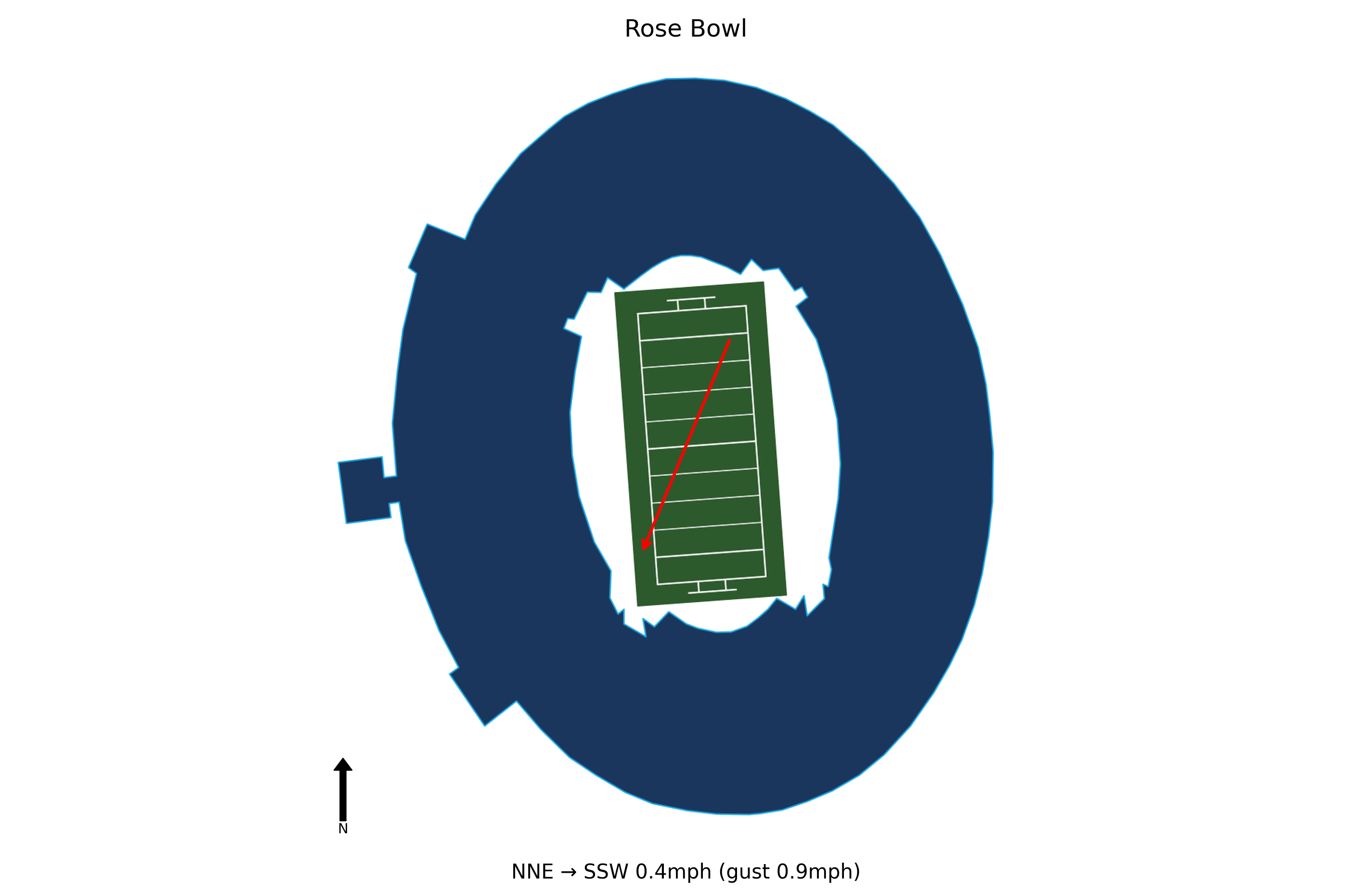
At kickoff, conditions at Rose Bowl were Clear, 72°F with winds of 0 mph. Weather is not expected to be a meaningful factor in this game. Historical weather data for this game is preserved in the panel alongside. Weather data is sourced from WeatherAPI.com.

Clear
72°F
| Measure | UtahAway | UCLAHome |
|---|---|---|
| This week | 572 miles | 0 miles |
| Last week | Bye week | Bye week |
| Season total | 572 miles | 0 miles |
| Body clock | 21:00 | 20:00 |
| Rest | Season opener | Season opener |


